How Tim Sold His Greeneville, TN Rental Property As-Is — Trashed by Tenants, Sold With Them Still Inside

The Story
Tim's Story: A Rental Property Hundreds of Miles Away, Tenants Who Had Trashed It, and No Good Way Out
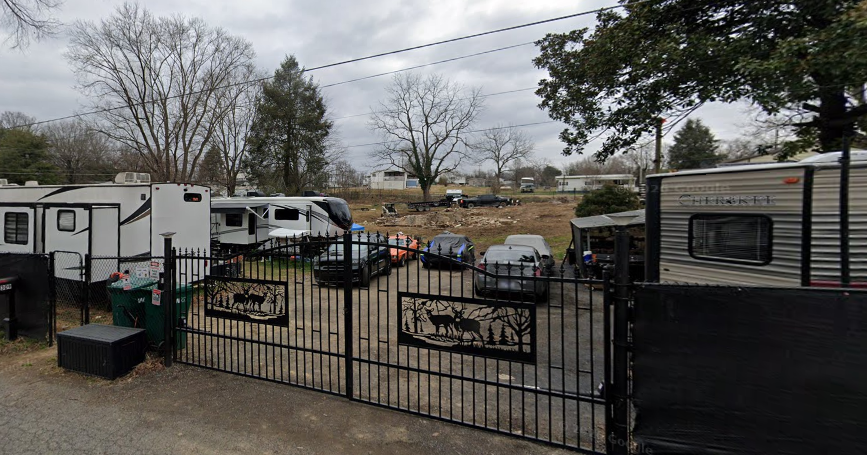
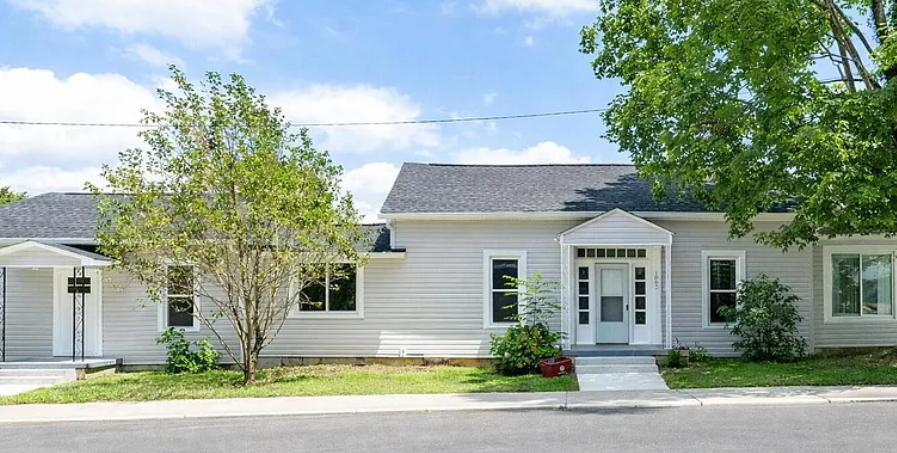
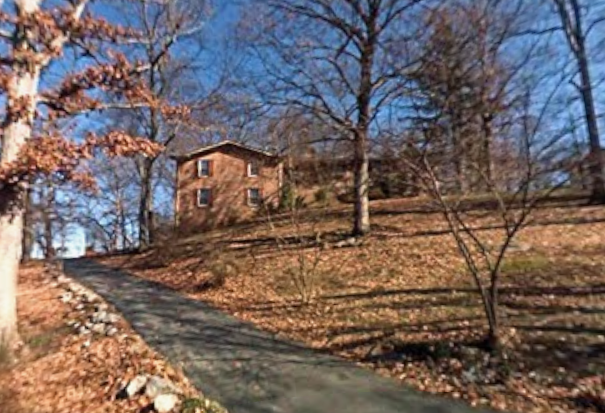
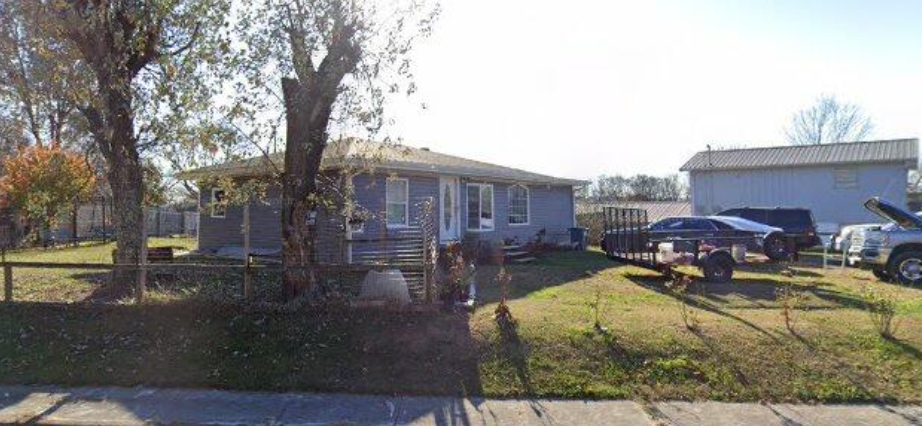
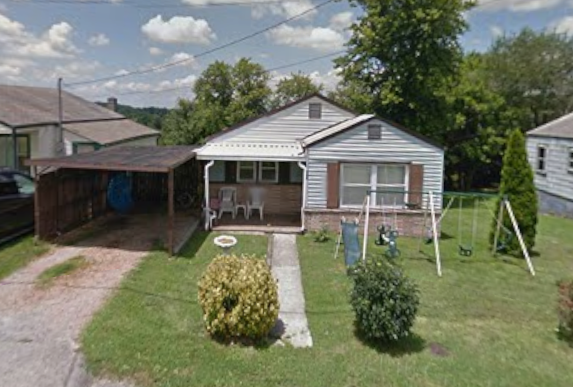
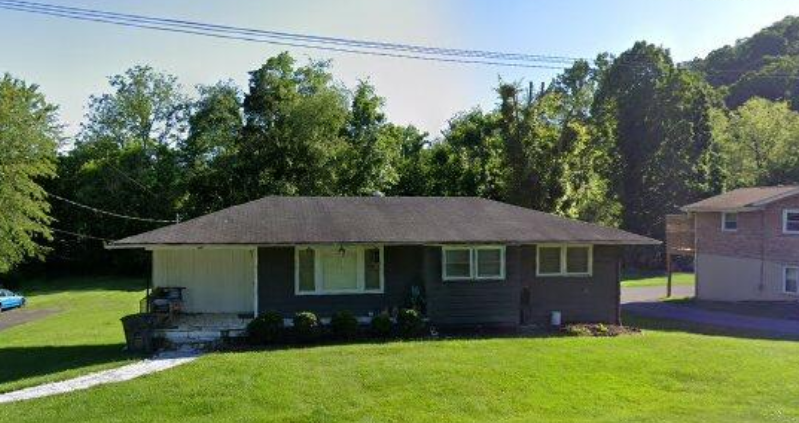
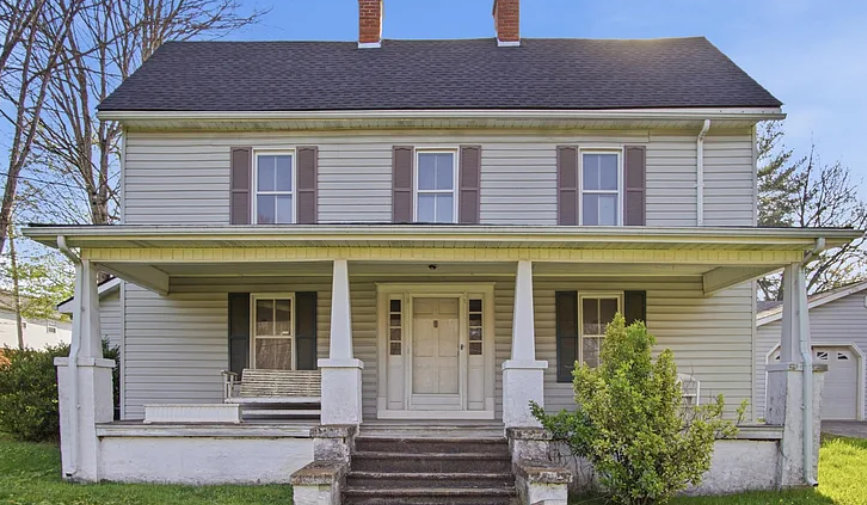
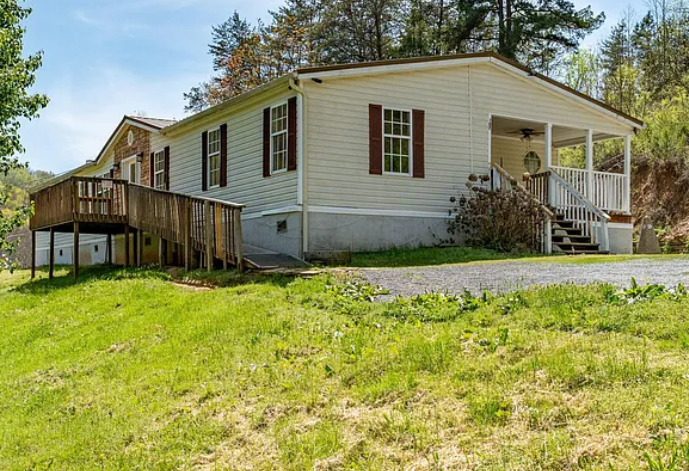
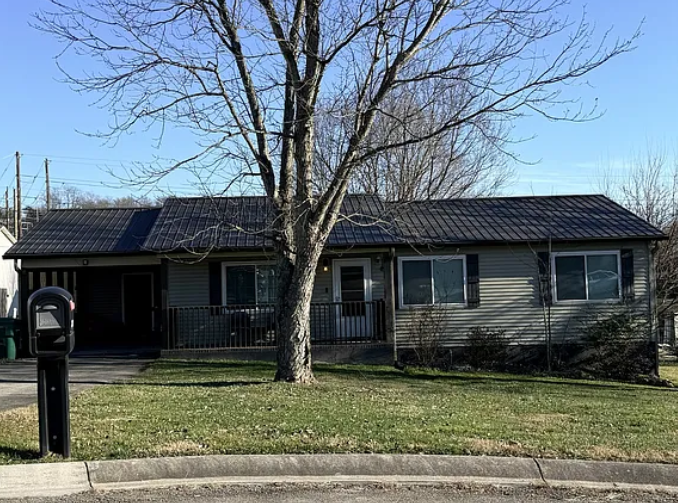
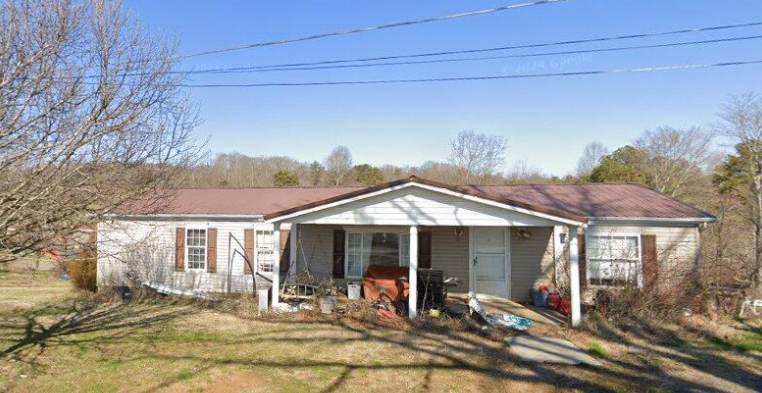
Tim owned a rental property in Greeneville, Tennessee, but he didn't live anywhere near it. He was managing the place from out of state — fielding calls, sending payments, and trying to stay on top of a situation that had been getting worse for months. The tenants who'd been living there weren't taking care of the property. Walls were damaged. Fixtures were broken. Trash had accumulated. The place was in a condition that no reasonable new tenant would accept and no conventional buyer could finance.
The deeper problem was the tenants themselves. They were still in the property. Handling an eviction from hundreds of miles away — navigating Tennessee's landlord-tenant statutes, filing paperwork with the local courts, coordinating appearances — was a burden Tim wasn't equipped to manage on his own from out of state. Hiring a local attorney added cost on top of a property that was already bleeding money. And even after an eviction was complete, he'd still be left with a damaged rental that needed significant work before it could be sold through traditional channels.
Tim had been sitting on the problem because every path forward seemed to require either money he didn't want to spend or time he didn't have. A traditional listing wasn't viable with tenants in place and the property in that condition. Fixing it up first meant coordinating contractors remotely, which was its own nightmare. He found Favor Home Solutions while researching options for tired landlords in Tennessee and reached out to describe exactly what he had — occupants still inside, significant damage throughout, and an owner who couldn't manage the situation locally.
Favor Home Solutions made a cash offer based on the property's current as-is condition — tenants, damage, and all. They took the property subject to existing occupancy, handled the tenant situation on their end after closing, and Tim never had to coordinate a single interaction with the tenants directly. There were no repairs required before the sale, no court dates to manage, and no fees deducted at closing.
"I couldn't deal with the tenants from where I was. They took the property as-is with the tenants still there and handled everything after. I didn't have to set foot in Tennessee."
— Tim, Greeneville, TNTim walked away from a property that had become an anchor — financially, logistically, and emotionally — and was able to close a chapter that had been draining him for far too long.
Helpful Information
What Out-of-State Landlords Need to Know Before Selling a Tenant-Damaged Property in Tennessee
Out-of-state landlords dealing with problem tenants and damaged rental properties face a compounding set of challenges that local owners don't. The property is difficult to inspect, repairs are hard to coordinate, the eviction process requires navigating a specific county court system, and the whole situation is playing out somewhere you can't easily visit. Understanding the landscape before making any decisions can prevent costly mistakes and help you find the fastest exit available.
- Tennessee's eviction process is county-specific and cannot be bypassed — even for out-of-state landlords. To remove a tenant in Tennessee, a landlord must follow a formal process: serve proper written notice (typically 14 days for non-payment, 30 days for lease violations), file an unlawful detainer action with the county general sessions court if the tenant doesn't vacate, attend a hearing, and obtain a writ of possession before law enforcement can physically remove the tenant. This process takes weeks at minimum — and longer if the tenant contests it. Out-of-state landlords frequently underestimate the time, cost, and local coordination required. The Tennessee Attorney General's Landlord-Tenant Act overview is the authoritative starting point for understanding your rights and the specific procedural steps required before a tenant can be removed.
- Tenant damage combined with occupancy makes a traditional listing functionally impossible. Most conventional buyers rely on mortgage financing, and lenders require a property to meet minimum habitability standards before approving a loan. A property with significant tenant damage — broken fixtures, holes in walls, appliance removal, or health-code issues — will fail those standards. Additionally, most agents won't list a property with tenants in place who haven't agreed to cooperate with showings. The practical result is that a tenant-damaged occupied rental can only be sold to a cash buyer willing to take it as-is, subject to existing occupancy. Selling a damaged property as-is to a direct cash buyer is specifically designed for this kind of situation.
- The cost of repairs rarely makes financial sense after significant tenant damage. Landlords often consider rehabilitating a tenant-damaged property before selling, hoping to recoup the renovation cost in a higher sale price. In most cases, this math doesn't work. Contractor coordination is expensive and time-consuming from a distance, the scope of damage is often worse than initial estimates, and the post-repair market value in many Tennessee markets doesn't justify the investment. A direct cash sale that accounts for the property's current condition eliminates the repair cycle entirely — you sell what you have, not what you wished it were. Selling without making repairs is the cleaner, faster, and often more financially sensible path.
- A buyer who takes the property "subject to" existing occupancy removes the eviction burden from your hands. When a buyer purchases a property with tenants still in place, the buyer — not the seller — becomes responsible for managing the occupancy situation after closing. For an out-of-state landlord, this is often the single most valuable aspect of a direct cash sale: not just getting out of the property, but getting out of the landlord relationship entirely. You close, you're done, and whatever comes next with the tenants is no longer your problem. Not every cash buyer handles occupied properties, but for those who do, the seller's involvement ends at the closing table.
- Watch out for buyers who make offers but require the property to be vacant at closing. Some investors who claim to buy tenant-occupied properties add a vacancy contingency buried in the contract — meaning you're still responsible for evicting the tenants before they'll complete the purchase. This puts you right back in the position you were trying to escape. Before signing anything, confirm explicitly whether the buyer will close with tenants still in occupancy or whether they require the property to be delivered vacant. The distinction is significant, and Tim's situation is a clear example of why it matters.
Why "Tired Landlord" Is One of the Most Common Situations We See — and Why the Exit Matters
Out-of-state rental ownership sounds like passive income until it isn't. When tenants stop paying, stop maintaining the property, or actively damage it, the distance that once seemed manageable becomes the central problem. You can't walk through the property. You can't have a face-to-face conversation. You can't oversee a repair or confirm that a contractor actually showed up. And every month the situation persists, the property deteriorates further and the carrying costs — mortgage, insurance, property taxes, potential fines from the municipality — keep accumulating.
The fastest and cleanest exit for a tired landlord in Tennessee is almost always a direct cash sale to a buyer who handles the situation as-is — damage, occupancy, and all. Tim's experience in Greeneville is a clear example of what that looks like in practice: a property that was bleeding money and creating stress from hundreds of miles away became someone else's problem at closing, with Tim receiving cash and walking away completely free.
How Favor Home Solutions Can Help You Too
We Buy Rental Properties in Greeneville and Across Tennessee — Tenants, Damage, and All
If you own a rental property in Greeneville or anywhere in Tennessee — regardless of its condition, regardless of whether tenants are still in place — Favor Home Solutions can make you a cash offer and close on your timeline. We buy directly from landlords, as-is, with no repairs required, no fees charged at closing, and no expectation that you'll resolve the occupancy situation before we take over. When tenants are still in the property, we handle what comes after closing. You don't have to.
We understand that out-of-state landlord situations are exhausting in a way that's different from other real estate problems — because the problem is always there, always running in the background, and always demanding attention from a distance. The decision to sell isn't giving up. It's recognizing when a property has stopped being an asset and started being a liability — and choosing the fastest, cleanest exit available. Want to see how a direct sale compares to your other options? Compare them here. Want to hear from other landlords who've been through similar situations? Read their stories. Ready to understand the process? Here's how it works →
Fill out our simple form — takes about two minutes.
We'll be in touch within 24 hours with a no-obligation offer.
Close in as few as 7 days — tenants in place or not.
No repairs, no fees, no tenant headaches. We handle what's next.
Ready to Sell Your Greeneville, TN Rental Property? Get a No-Obligation Cash Offer Today.
Whether you're dealing with tenants who've trashed the place, a rental you can no longer manage from a distance, or simply a property that's become more liability than asset — Favor Home Solutions is here to help. We buy houses and rental properties in Greeneville, Tennessee and across the region in any condition, any situation. No repairs, no commissions, no hassle.
Fill Out Our Simple Form →We'll be in touch within 24 hours. No obligation, ever.
Frequently Asked Questions
Common Questions About Selling a Tenant-Damaged Rental in Greeneville, TN
Will Favor Home Solutions buy my Greeneville, TN rental property if tenants are still living there?
⌄Yes. Favor Home Solutions purchases rental properties with tenants in place — including situations where the tenants are uncooperative, behind on rent, or have damaged the property. We close on the property subject to existing occupancy, which means you don't need to manage or complete an eviction before we take over. After closing, we handle the occupancy situation ourselves. For out-of-state landlords like Tim who can't manage the tenant situation locally, this is frequently the most important part of what we offer.
Can I sell my Greeneville rental property as-is if the tenants have caused significant damage?
⌄Yes — and for a tenant-damaged property, a direct cash sale is often the only realistic option. Conventional buyers rely on financing that requires the property to meet minimum habitability standards, which tenant-damaged rentals typically don't meet. Most agents won't list a property in that condition, and if they do, financing-dependent buyers can't close on it. Favor Home Solutions makes offers based on the property's current as-is condition — holes in walls, broken fixtures, general damage included. You don't spend anything preparing it before closing. You can learn more about selling a damaged property as-is to understand how the process works in practice.
Do I need to evict the tenants before selling my Greeneville, Tennessee rental property?
⌄Not when you sell to Favor Home Solutions. We purchase occupied rental properties and take responsibility for any necessary occupancy proceedings after closing. This is specifically valuable for out-of-state landlords who can't manage Tennessee's formal eviction process — which requires notice, a general sessions court filing, a hearing, and a writ of possession before law enforcement can act. That process takes weeks and requires local coordination. When we close on the property with tenants in place, that burden transfers to us, not you. The Tennessee Attorney General's Landlord-Tenant Act guidance outlines the formal process if you want to understand what's required — but selling to us means you don't have to go through it.
How long does it take to sell a rental property in Greeneville, TN for cash?
⌄A cash sale with Favor Home Solutions typically closes in 7 to 14 days from offer acceptance. Because we use our own funds and don't rely on lender approval, appraisals, or inspection contingencies, there are no external variables that can delay the timeline. For out-of-state landlords who are losing money every month on a property they can't control, that speed matters. We can also accommodate a longer closing window if you need more time to prepare for the transition. The closing date is yours to set.
What are my options if I'm an out-of-state landlord with problem tenants in Greeneville, TN?
⌄Your realistic options are: hire a local property manager to handle the tenant situation and ongoing maintenance (ongoing cost, no guaranteed resolution), pursue eviction through the Tennessee court system yourself or via a local attorney (time-consuming, expensive, and still leaves you with a damaged property to deal with), or sell directly to a cash buyer who will take the property as-is with tenants in place. For most out-of-state landlords in Tim's situation, the direct cash sale is the cleanest exit — no continued carrying costs, no legal fees, no remote coordination. You can compare your full options here to see how each path plays out.
How does selling my Greeneville rental for cash compare to listing it with a realtor?
⌄For a tenant-occupied, tenant-damaged rental, a traditional listing is rarely viable at all — most agents won't take the listing, most buyers can't finance it, and the tenants are unlikely to cooperate with showings. Even for a rental in better condition, a traditional listing involves 5–6% in agent commissions, a timeline of 60 to 90 days or more, repair demands from buyers, and no guarantee of closing. A cash sale with Favor Home Solutions involves none of those costs or delays, closes in days, and handles the occupancy situation after closing. For rental properties specifically — and especially problem rentals — a direct sale is almost always the faster, simpler, and more certain path. You can learn more about selling without making repairs to understand the full picture.
What happens to my Greeneville rental property's carrying costs while I'm waiting to sell?
⌄Every month a problem rental sits unresolved, you continue paying the mortgage, insurance, and property taxes — potentially without receiving any rental income if tenants have stopped paying. For out-of-state landlords, there may also be HOA fees, municipal fines for code violations related to the property's condition, or utility obligations. The longer the situation continues, the more those carrying costs accumulate against whatever equity the property holds. Acting quickly — especially when a cash buyer can close in 7 to 14 days — is almost always the better financial outcome compared to months of additional costs while pursuing a traditional sale or working through an eviction. Understanding when a property has become a liability rather than an asset is the first step toward making the right exit decision.